
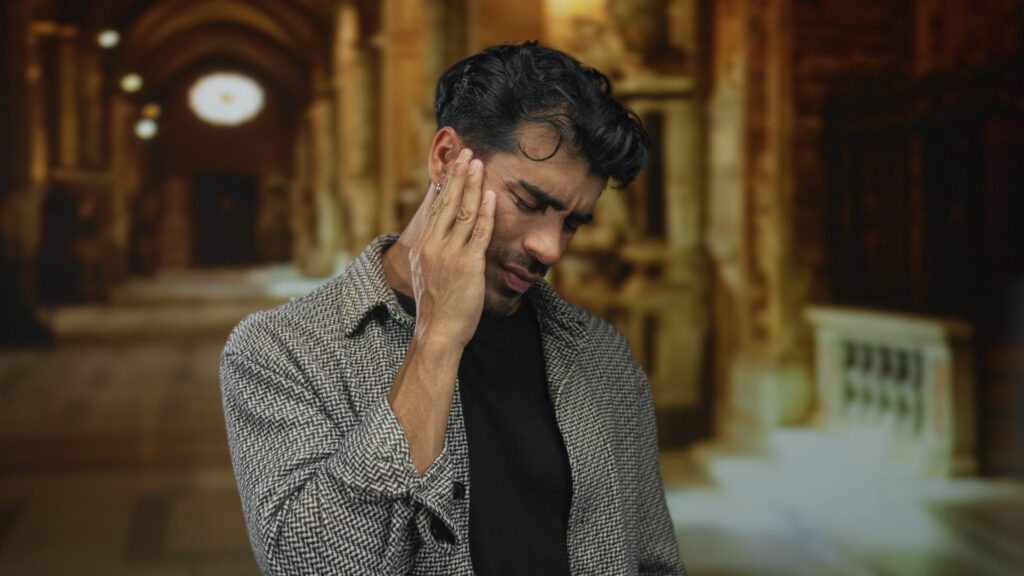
Do you wake up with a sore jaw, a dull headache, or teeth that feel oddly sensitive? Teeth grinding may be the reason. Many people grind or clench without realizing it, especially during sleep, and the first person to notice is often their dentist. At Jackson Family Dentistry in Downers Grove, we look for the signs of teeth grinding at every checkup so we can protect your smile before small problems become bigger ones.
What Is Bruxism?
Bruxism is the clinical term for grinding, gnashing, or clenching your teeth. It can happen while you’re awake, often when you’re concentrating or stressed, or while you sleep. Sleep bruxism is harder to catch because you can’t feel yourself doing it. A partner or parent frequently hears it long before the person grinding knows anything is wrong.
What Causes Teeth Grinding?
There’s rarely a single cause. Common contributors include:
- Stress and anxiety: Tension you carry during the day often shows up in your jaw at night.
- Sleep-disordered breathing: Grinding is closely linked with snoring and obstructive sleep apnea, and the two often appear together.
- Stimulants: Caffeine, alcohol, and tobacco, especially later in the day, are associated with more frequent grinding.
- Certain medications: Some antidepressants and other prescriptions list bruxism as a possible side effect.
- Bite and alignment issues: Teeth that don’t meet evenly may play a role, though research suggests this matters less than once believed.
- Age: Teeth grinding is common in young children and often fades as they grow.
What Are the Signs You Might Be Grinding Your Teeth?
Watch for these clues:
- Flattened, chipped, or worn tooth edges
- New or increased tooth sensitivity
- Jaw soreness, tightness, or clicking
- Morning headaches near the temples
- Cracked fillings or crowns
- Ridges along the inside of your cheeks or the edges of your tongue
Left unchecked, teeth grinding can wear through enamel, crack teeth, and contribute to TMJ pain. Catching it early usually means simpler, less costly care.
How Can a Downers Grove Dentist Help With Teeth Grinding?
The first step is understanding why it’s happening. During your exam, Dr. Jackson checks for wear patterns, evaluates your jaw joints and chewing muscles, and asks about your sleep, stress levels, and medications. Eric G. Jackson, DDS, is a Master of the Academy of General Dentistry (MAGD), an honor held by fewer than 1% of dentists worldwide, and he treats bruxism as part of your overall health.
Because grinding and sleep apnea so often overlap, Dr. Jackson may also screen for airway concerns. Our on-site cone beam 3D (CBCT) imaging supports airway assessment when it’s needed. If sleep apnea is suspected, a sleep study is the next step toward a diagnosis, since treating the airway may reduce grinding on its own.
Is a Custom Night Guard Right for You?
For many patients, a custom night guard is the most practical way to protect your teeth from bruxism. In most cases, we capture your bite with a digital iTero scan, so there are no messy impression trays. The finished guard fits your teeth precisely, which makes it more comfortable and longer-lasting than a store-bought version. It’s worth knowing what a night guard can and can’t do:
- It protects your teeth. A guard absorbs the force of grinding and shields your enamel, though most people keep grinding while wearing it.
- There’s an adjustment period. Some patients notice extra saliva, mild jaw or tooth soreness, or trouble falling asleep for the first week or two.
- It needs care and eventual replacement. Guards need daily cleaning, and heavy grinders can wear through one in a few years.
- It isn’t right for everyone with sleep apnea. In some patients, a standard guard may make breathing during sleep worse, which is one reason we screen before recommending one.
- It costs more than an over-the-counter guard. Insurance coverage varies, and our team can help you check your benefits.
Daily habits help too. Cut back on caffeine and alcohol in the evening, build a relaxing bedtime routine, and check yourself for daytime clenching. Your lips should touch, but your teeth shouldn’t.
Ready to Protect Your Smile From Teeth Grinding?
If you’ve noticed jaw pain, morning headaches, or worn teeth, don’t wait for a crack or chip to force the issue. Jackson Family Dentistry has served Downers Grove since 1980, and we’ll give you a clear picture of what’s causing your bruxism and which options make sense for you. Call us at (630) 963-6750 or schedule your visit online to get started.